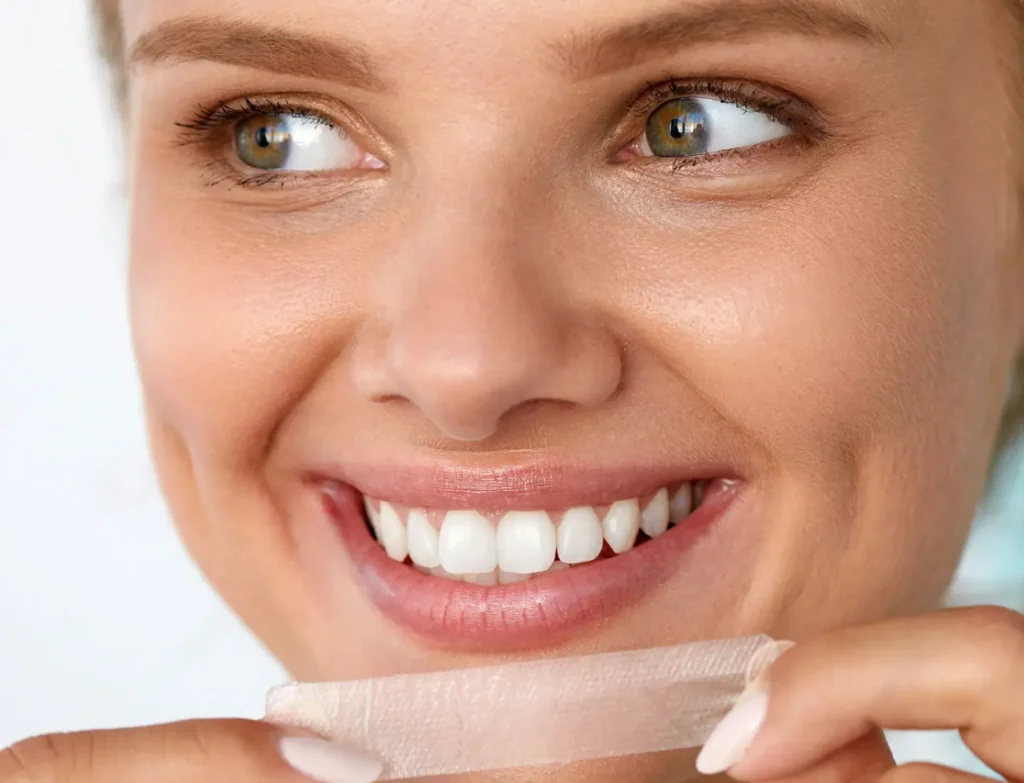
Understanding Teeth Sensitivity After Whitening Treatments
Teeth sensitivity following whitening treatments is a common side effect, particularly when bleaching agents such as hydrogen peroxide and carbamide peroxide are used. These compounds are effective at removing stains from enamel. Still, they can also irritate the dental pulp, leading to temporary inflammation and discomfort that may manifest during everyday activities such as brushing, eating, or drinking. For example, someone who enjoys a hot cup of tea may find that the temperature aggravates their sensitivity, causing sharp pain. Typically, this discomfort resolves within a few days, making it a transient issue for many individuals. However, individuals with existing dental problems, such as cavities or periodontal disease, may experience greater and more prolonged sensitivity than those with healthy teeth.
The frequency of whitening treatments can also significantly affect the incidence of sensitivity. Engaging in regular whitening procedures can lead to cumulative effects that compromise enamel integrity and increase dentin permeability, thereby heightening sensitivity. For instance, a person who undergoes weekly whitening sessions might find themselves experiencing discomfort more frequently than someone who spaces out their treatments appropriately. Understanding how these factors interact is crucial for effectively managing sensitivity during and after whitening procedures, enabling patients to make informed decisions regarding their oral care. The Bitter Truth: How Coffee Affects Your Teeth After Whitening
Common Causes of Teeth Sensitivity
Several factors contribute to tooth sensitivity during and after whitening treatments, and understanding these factors can help individuals better prepare for their whitening process. A primary factor is increased dentin permeability, which can occur when whitening products penetrate the enamel layer, thereby exposing the nerves within the tooth structure and leading to heightened sensitivity. For instance, a patient who uses a high-concentration whitening gel may experience increased sensitivity to temperature changes after treatment. Moreover, poorly fitting whitening trays can cause gum irritation, which may exacerbate post-treatment discomfort.
Higher concentrations of bleaching agents also significantly affect sensitivity. Studies have shown that the likelihood of experiencing sensitivity correlates directly with the hydrogen peroxide concentration used in the whitening treatment. For example, a treatment containing 35% hydrogen peroxide may yield faster results but at the cost of greater sensitivity compared to a gentler option. Individuals with pre-existing enamel erosion or older age may be particularly sensitive during whitening procedures, as age-related changes can increase dentin sensitivity to discomfort. Recognising these causes enables better preparation and management strategies for individuals undergoing whitening treatments, thereby ensuring a more comfortable experience.

Frequently Asked Questions: Teeth Sensitivity After Whitening Treatments
1. Why do teeth become sensitive after whitening?
Answer:
Whitening agents penetrate the enamel to remove stains, which can temporarily irritate the nerves within the teeth. This is the most common reason for post-whitening sensitivity.
2. How long does sensitivity usually last after whitening?
Answer:
Sensitivity typically lasts from a few hours to a few days after treatment. In some cases, it may persist slightly longer, depending on the strength of the whitening agent and individual tooth sensitivity.
3. Are some whitening treatments more likely to cause sensitivity?
Answer:
Yes — stronger professional treatments or high-concentration at-home gels are more likely to cause temporary sensitivity than milder, over-the-counter options.
4. How can I reduce sensitivity after whitening?
Answer:
- Use desensitising toothpaste before and after treatment
- Avoid extremely hot, cold, or acidic foods and drinks for a few days
- Follow the product or dentist’s instructions carefully
- Consider spacing out treatments if using at-home kits
5. Is sensitivity after whitening a sign of damage?
Answer:
No — temporary sensitivity is normal and not usually harmful. Permanent damage is rare if treatments are done correctly and in moderation.
Strategies to Prevent Sensitivity During Whitening
To effectively minimise sensitivity during the whitening process, individuals can implement several proactive strategies. One effective method is to use desensitising toothpaste containing potassium nitrate in the days leading up to the treatment. This preparation can help fortify enamel and reduce nerve sensitivity, thus potentially making the whitening process more comfortable. For instance, a patient who begins using desensitising toothpaste a week before their scheduled whitening may experience less discomfort during the procedure. Additionally, applying a desensitising gel before the whitening procedure can provide an additional layer of protection against discomfort. Prices For Teeth Whitening
Choosing lower concentration whitening products is another significant way to mitigate sensitivity risks. For example, over-the-counter products typically contain 5.3%-6.5% hydrogen peroxide, whereas professional treatments may use much higher concentrations, ranging from 10% to 45%. Starting with lower concentrations allows the teeth to adjust gradually, reducing the likelihood of sensitivity. Consulting with a dentist for tailored recommendations based on individual dental health and sensitivity levels can also be highly beneficial. A dentist may recommend a personalised whitening plan that accounts for both the desired results and the patient’s tolerance to whitening agents.
Recommended Aftercare Products and Practices
Post-whitening care is essential for effectively managing sensitivity and ensuring a comfortable recovery. Using hydroxyapatite toothpaste can help create a protective barrier around the teeth, which supports enamel remineralisation and aids recovery after bleaching. For example, someone who switches to hydroxyapatite toothpaste after their whitening treatment may find that their sensitivity diminishes more rapidly. Continuing the use of desensitising toothpaste and gels for at least 48 hours after treatment is recommended, as these products can significantly alleviate discomfort and promote healing.
In addition to these products, fluoride treatments can be beneficial, as they help remineralise enamel and enhance its strength after bleaching. Rinsing with salt water is another effective practice that can soothe nerves and reduce inflammation in the days following whitening. For individuals prone to teeth grinding or clenching, wearing a mouth guard at night can prevent exacerbation of sleep-related sensitivity and protect against further enamel wear. These aftercare products and practices play a vital role in ensuring a comfortable recovery from whitening treatments, ultimately contributing to a positive oral health experience.
Minimising Discomfort After Whitening Treatments
To reduce discomfort following whitening treatments, it is advisable to avoid very hot, cold, or acidic foods and drinks for the first couple of days after the procedure. These substances can irritate sensitive teeth and exacerbate pain, necessitating adjustments to dietary habits. For example, a person may find that opting for lukewarm soups rather than steaming-hot broths helps them manage their sensitivity more effectively. Additionally, using a soft-bristled toothbrush and implementing gentle brushing techniques can help prevent further irritation and enamel wear.
Incorporating soothing methods, such as swishing with coconut oil, can provide antibacterial and anti-inflammatory benefits that may alleviate discomfort after whitening. This approach not only reduces sensitivity but also contributes to overall oral hygiene. For more immediate relief, applying a cold compress to the face can help reduce swelling and pain associated with sensitivity. These strategies can significantly enhance comfort during the recovery period, allowing individuals to return to their regular routines with minimal interruption. Keeping Your Smile Bright: Essential Dietary Tips for Coffee Lovers After Teeth Whitening
Importance of Following Dentist’s Advice
Consulting with a dentist is paramount when considering teeth whitening, as they can provide personalised recommendations tailored to individual needs and sensitivities. Dentists are equipped to identify any underlying dental issues that may contribute to sensitivity, ensuring that patients receive appropriate care. For example, a dentist may identify untreated caries in a patient, which could complicate the whitening process and increase sensitivity. Professional-grade whitening systems, supervised by dental professionals, are often more effective and cause less sensitivity compared to over-the-counter products.
Moreover, dentists can provide custom-fitted trays designed to minimise gum contact and irritation during treatment, thereby enhancing patient comfort. Regular dental check-ups are essential for monitoring and managing sensitivity issues effectively, allowing for timely interventions if problems arise. For individuals with prolonged sensitivity, a dentist may recommend alternative whitening methods that are less likely to cause future discomfort. This ongoing relationship with a dental professional ensures that any underlying dental concerns can be addressed promptly, helping to maintain optimal oral health throughout the whitening process.
Tips for Long-term Care of Sensitive Teeth
Long-term care for sensitive teeth involves adopting gentle oral hygiene practices to prevent future discomfort. Brushing gently with lukewarm water can help avoid triggering sensitivity, while drinking cold beverages through a straw can minimise direct contact with teeth, thereby reducing pain. For example, using a straw while sipping iced coffee can significantly reduce the risk of experiencing sensitivity. Regular use of fluoride varnish can provide ongoing protection against sensitivity by helping maintain enamel health.
Maintaining a balanced diet rich in calcium and vitamin D is also vital for promoting enamel health and reducing sensitivity over time. Staying hydrated is crucial because it supports saliva production, which naturally protects teeth from sensitivity. Incorporating dairy products, which are high in calcium, can further support enamel health and strengthen teeth. Engaging in these practices contributes to the overall well-being of teeth post-whitening, ensuring that individuals can enjoy their bright smiles without discomfort.
Managing Persistent Sensitivity
If sensitivity persists beyond four days after whitening, it is essential to consult a dentist, as this may indicate other underlying dental concerns that require attention. For instance, prolonged sensitivity may indicate conditions such as enamel erosion or periodontal recession, necessitating professional evaluation. Taking non-steroidal anti-inflammatory drugs (NSAIDs) before whitening can help manage pain and inflammation effectively. Patients should also consider alternative whitening methods, such as whitening strips or in-office treatments, which may cause less sensitivity than traditional whitening trays.
Keeping a record of sensitivity levels can assist in discussions with a dentist regarding future treatments. For example, noting whether sensitivity occurs consistently after specific products can provide valuable insights for tailoring future whitening experiences. This proactive approach enables a more tailored whitening regimen that considers individual experiences and sensitivities, ensuring a more successful and comfortable outcome.
The Role of Whitening Agents in Sensitivity
Whitening agents, particularly hydrogen peroxide and carbamide peroxide, play a significant role in post-whitening sensitivity. These agents can alter enamel surface morphology and increase dentin permeability, thereby increasing nerve reactivity. The concentration of these agents is critical, as higher concentrations are directly linked to increased sensitivity. For example, a product containing 35% hydrogen peroxide may yield rapid whitening but may also cause significant discomfort for some patients.
Some whitening products now incorporate additional ingredients to minimise sensitivity, such as potassium nitrate, which can help protect sensitive areas during the whitening process. Understanding the role of these agents can aid in selecting the most appropriate whitening products for individual needs, allowing patients to balance effectiveness with comfort. It is essential to read labels and consult dental professionals to identify products that align with individual sensitivity levels while still providing the desired whitening outcome.
Best Practices for Teeth Whitening
To ensure a comfortable whitening experience, it is vital to ensure that whitening trays fit properly. Ill-fitting trays can cause gum contact and irritation, which may exacerbate sensitivity after treatment. Increasing the interval between whitening treatments allows the gums to heal and mitigates sensitivity, as frequent therapies can lead to cumulative irritation. For example, a patient who schedules treatments every six weeks rather than every two weeks may find that their sensitivity decreases significantly.
Overuse of whitening products should be avoided, as it can lead to long-term sensitivity. Careful adherence to the manufacturer’s instructions is also crucial to prevent misapplication, which may lead to increased sensitivity and discomfort. A balanced approach, alternating between professional and at-home whitening methods, can ensure effective results while minimising side effects. By adhering to these best practices, individuals can experience the aesthetic benefits of whitening while maintaining their oral health.
The Impact of Dietary Choices on Sensitivity
Dietary choices can significantly affect teeth sensitivity, particularly after whitening. It is advisable to avoid foods and beverages that cause extrinsic stains, such as dark-coloured beverages, and to limit smoking, which can undermine whitening efforts. Acidic foods can erode enamel and exacerbate sensitivity, making it advisable to limit their intake. For instance, someone who frequently consumes citrus may find that their sensitivity increases after whitening treatments due to enamel erosion.
Maintaining a low-sugar diet can further reduce the risk of cavities, which could heighten sensitivity. Consuming dairy products can help neutralise acids and support enamel health by providing necessary calcium and phosphates. Incorporating foods rich in vitamins and minerals that support oral health may positively affect overall tooth sensitivity. Paying attention to dietary choices not only helps manage sensitivity but also plays a crucial role in sustaining the efficacy of whitening treatments over time.
Understanding Enamel Care Post-Whitening
Post-whitening enamel care is essential to protect against surface alterations caused by bleaching agents. Using remineralising toothpaste can help strengthen enamel after whitening treatments, promoting better recovery and reducing the likelihood of sensitivity. For example, someone who incorporates a remineralising toothpaste into their routine may notice a marked improvement in their enamel strength and a reduction in sensitivity over time. It is also essential to be mindful of habits that contribute to enamel erosion, such as aggressive toothbrushing or the use of abrasive toothpaste, which can further compromise enamel integrity. Best Way To Achieve Whiter Teeth!
Additionally, incorporating products specifically designed for sensitive teeth into one’s oral care routine can aid in post-whitening recovery. These products often contain ingredients that help soothe and protect sensitive areas, allowing for a smoother transition back to normal sensitivity levels. Engaging in proper enamel care after whitening not only helps maintain treatment results but also supports long-term dental health.

The Science Behind Desensitising Agents
Desensitising agents, such as 5% potassium nitrate and 2% sodium fluoride, are effective in reducing sensitivity after whitening treatments. These agents work by forming a protective layer that reduces dentin exposure, thereby alleviating sensitivity. Clinical studies have demonstrated that applying desensitising agents before whitening treatments can significantly reduce post-treatment sensitivity scores, making their use highly recommended for optimal comfort. For example, a patient who applies a desensitising gel before their whitening procedure may experience considerably less discomfort than someone who does not.
Ongoing research explores newer desensitising agents and their effectiveness in relieving discomfort associated with whitening procedures. This pursuit of improved solutions underscores the importance of patient comfort in the whitening experience and the need for ongoing advances in dental care products. As more effective desensitising agents become available, patients will have greater access to options that enhance their whitening experience while minimising sensitivity.
Evaluating Whitening Products for Sensitivity
When selecting whitening products, it is crucial to evaluate their concentration of bleaching agents to manage sensitivity risks effectively. Dentist-recommended products often balance efficacy with sensitivity reduction, providing a safer whitening experience for individuals with sensitive teeth. Reviewing clinical studies or customer feedback on the sensitivity profiles of various whitening brands can also inform choices, ensuring that individuals select products that align with their comfort levels. Post-Whitening Care: Essential Tips for Coffee Lovers to Keep Their Smile Bright
Additionally, verifying that products are ADA-approved is essential to ensure safety and efficacy and to protect against potential sensitivity issues. Making informed decisions about whitening products can significantly enhance the overall experience, allowing individuals to achieve their desired results while minimising discomfort. Engaging in thorough research and consulting with dental professionals will enable patients to identify products tailored to their unique needs.
Future Research and Developments in Sensitivity Management
Ongoing research aims to explore newer desensitising agents and standardise evaluation methods for managing sensitivity following whitening treatments. Innovations in whitening technologies continue to focus on reducing post-treatment sensitivity to ensure a more comfortable experience for patients. Investigating the long-term effects of various whitening agents on enamel integrity and sensitivity is another critical area of study.
Collaboration between dental professionals and product manufacturers is essential for developing safer whitening solutions that prioritise patient comfort while delivering effective results. As research progresses, new formulations are expected to emerge that not only enhance whitening efficacy but also provide better protection against sensitivity. The future of teeth whitening appears promising as advances in understanding and managing sensitivity continue to evolve, ultimately benefiting patients seeking brighter smiles without fear of discomfort.